
I get asked this question a lot: "Should I use ESP32 or ESP8266?"
The honest answer is: it depends. But thats not very helpful, so let me break down what I've learned from using both boards across dozens of projects.
The Quick Answer
Use ESP8266 when:
- You only need WiFi (no Bluetooth)
- You're cost-sensitive
- Your project is simple, like a sensor node, a smart switch, basic automation
- Power consumption matters and you're doing simple periodic tasks
Use ESP32 when:
- You need Bluetooth
- You're doing anything computationally heavy
- You need lots of GPIO pins or analog inputs
- You want room to grow
Thats the 80/20. But lets dig deeper.
What Actually Matters
Processing Power
ESP8266 runs at 80MHz (or 160MHz if you push it). Single core. Its enough for most IoT tasks like reading sensors, sending HTTP requests, responding to MQTT messages.
ESP32 runs at up to 240MHz with dual cores. This sounds like overkill for blinking LEDs, but it matters when you're doing multiple things at once. One core can handle WiFi and network tasks while the other runs your application logic. No more mysterious crashes when your code gets too busy.
I learned this the hard way. Built a home automation hub on ESP8266, tried to add a web server, real-time clock, and multiple sensors. It worked... sometimes. Moved to ESP32, same code, zero issues.
Memory
ESP8266 gives you about 80KB of usable RAM. ESP32 gives you around 520KB (varies by variant).
Sounds abstract until you try to handle a chunky JSON response or buffer serial data. With ESP8266, you're always thinking about memory. With ESP32, you mostly dont have to.
Connectivity
Both do WiFi well. ESP8266 is 2.4GHz only. Newer ESP32 variants support 5GHz and WiFi 6, though most common boards are still 2.4GHz.
The big difference is Bluetooth. ESP32 has it. ESP8266 doesnt. If you need to talk to phones, wearables, or BLE peripherals, ESP32 is your only option.
GPIO and Peripherals
ESP8266 has about 17 GPIO pins, but some are reserved for boot modes and flash, so you realistically have fewer to work with. One 10-bit ADC channel.
ESP32 has 34 GPIO pins (though some are input-only), multiple ADC channels (12-bit), DAC outputs, capacitive touch sensors, and more. If your project needs lots of inputs/outputs, ESP32 makes life easier.
Power Consumption
This ones nuanced.
In active mode, ESP32 draws more current because its doing more. In deep sleep, both can get very low, but ESP8266's simpler architecture often means slightly lower deep sleep current.
For battery-powered projects that wake up, do something quick, and go back to sleep, ESP8266 can be the better choice. For projects that stay awake and do complex tasks, ESP32's efficiency improvements in later variants start to matter.
Real Project Examples
Weather Station (ESP8266 wins)
I built a weather station that wakes up every 15 minutes, reads temperature/humidity/pressure, sends data to a server, and goes back to sleep.
ESP8266 is perfect for this. Simple task, minimal processing, just needs WiFi. The lower cost means I could deploy multiple stations without breaking the bank.
Smart Doorbell (ESP32 wins)
Camera feed, motion detection, push notifications to phone, and a BLE connection to a smart lock. ESP8266 couldn't handle this if it tried. The ESP32-CAM module made this project possible.
Plant Watering System (Either works)
Soil moisture sensor, solenoid valve, basic scheduling, notifications when water is low. I actually built the first version on ESP8266 and it worked fine. Would I use ESP32 today? Probably, just because the price difference has shrunk and it gives me headroom for future features.
The Price Question
A few years ago, ESP8266 was dramaticaly cheaper. Today? The gap has narrowed.
A NodeMCU ESP8266 board costs about $3-5. A basic ESP32 dev board costs $5-8. For the extra couple dollars, you get a lot more capability.
Where ESP8266 still makes sense is high-volume deployments. If you're building 100 identical sensor nodes and each one only needs basic WiFi, saving $2-3 per unit adds up.
Development Experience
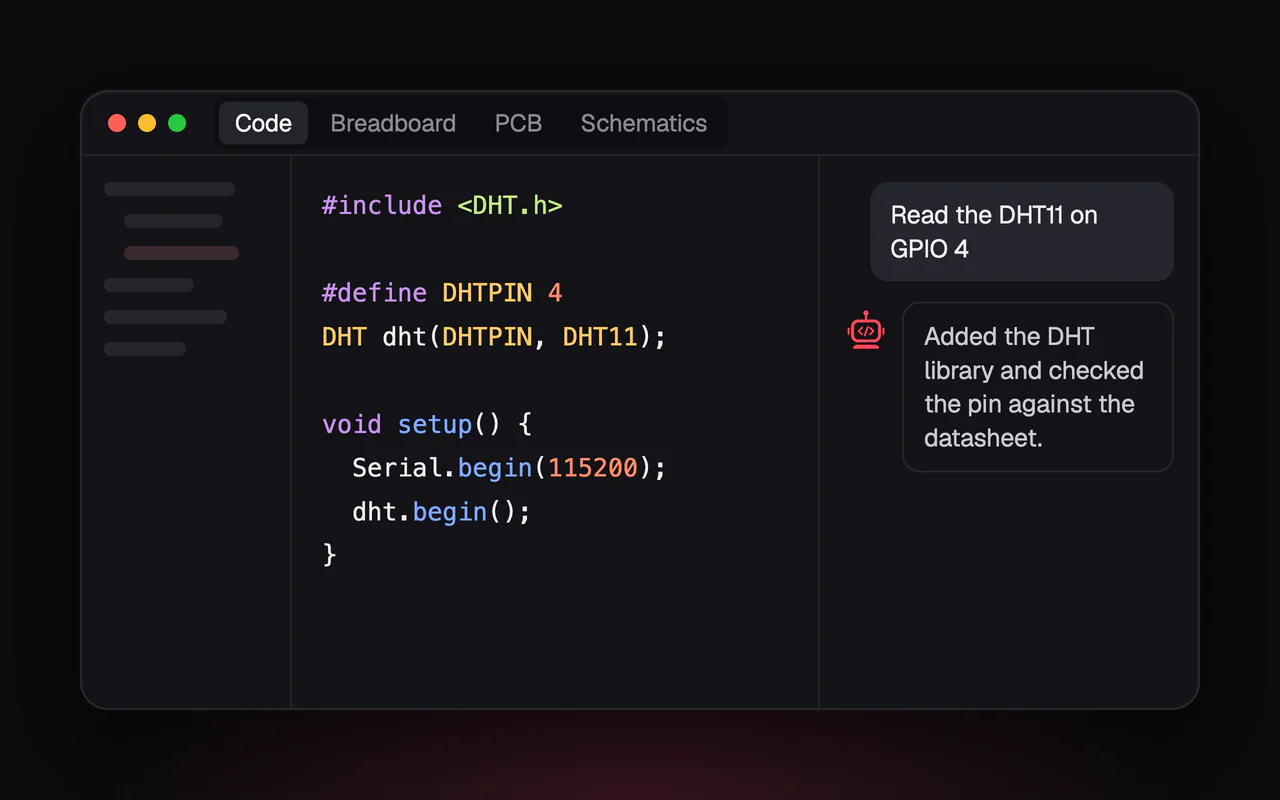
Both work with Arduino IDE, PlatformIO, and Embedr. Libraries are generally compatible, though some are ESP32-only (especially anything using Bluetooth or the extra peripherals).
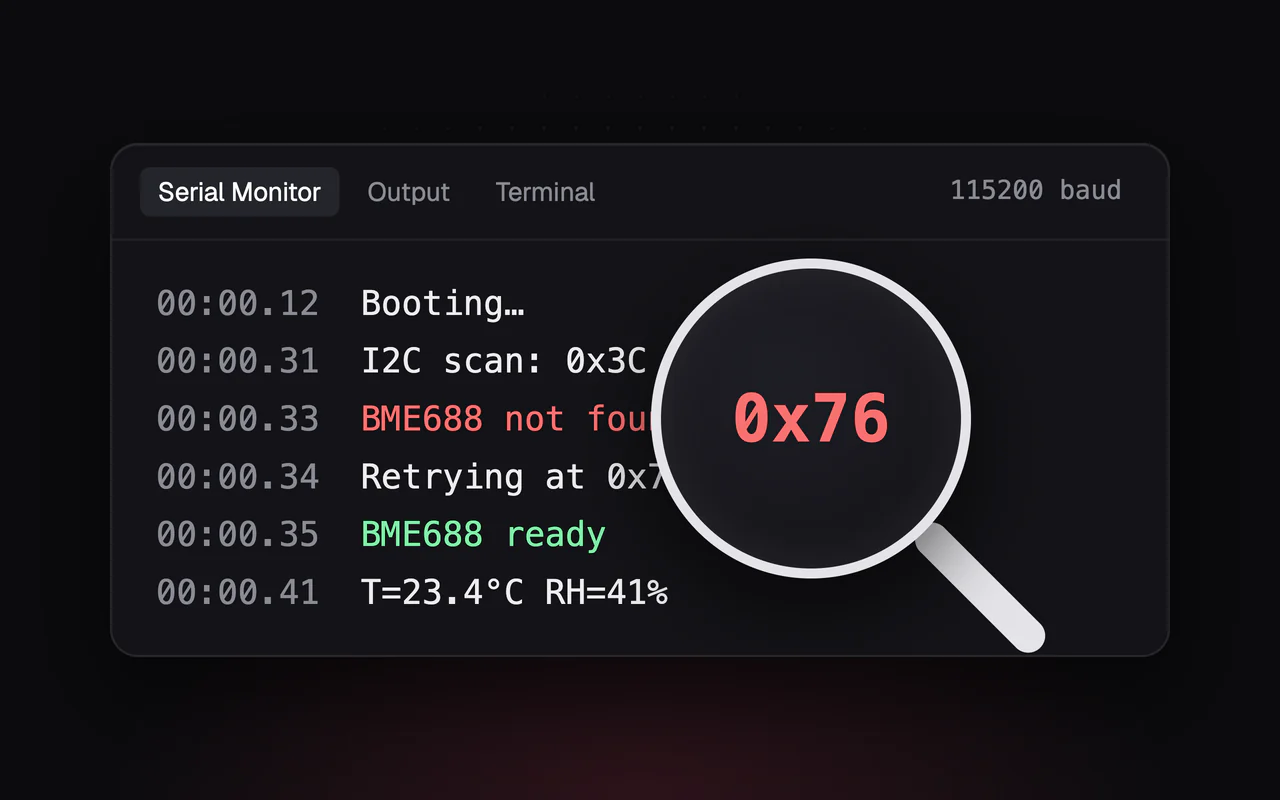
ESP32 debugging is better. You can use JTAG, there are more development tools, and the error messages tend to be more helpful. ESP8266 debugging is mostly "add Serial.println() everywhere and pray."
My Recommendation
If you're starting a new project in 2025 and cost isnt the primary concern, default to ESP32. The extra capability costs almost nothing and gives you room to expand.
Use ESP8266 when:
- You're deploying many identical units
- Every cent of BOM cost matters
- You're building something simple that will never need to change
- You have a specific reason (existing design, proven reliablity, etc.)
The best part? The code is largely portable. Start with either, and moving to the other is usualy straightforward.
Getting Started
Whichever you choose, Embedr supports both. Create a new project, select your board, and start building.
The AI assistant knows the differences between the two platforms, so just ask it about board-specific features, and it'll give you relevant suggestions.
Building something cool with ESP32 or ESP8266? I'd love to hear about it. Email us at support@embedr.app.